Cats are often described as low-maintenance, but that doesn’t mean they don’t feel changes—or that they don’t need daily care. They may not go out for walks or greet the neighborhood the way dogs do, but cats are deeply affected by routine. When their people leave, even subtle changes can show up quickly, especially when it comes to eating, litter box habits, and stress.
One of the biggest concerns with less frequent visits is how fast a small issue can become a serious one.
When Cats Stop Eating, Time Matters
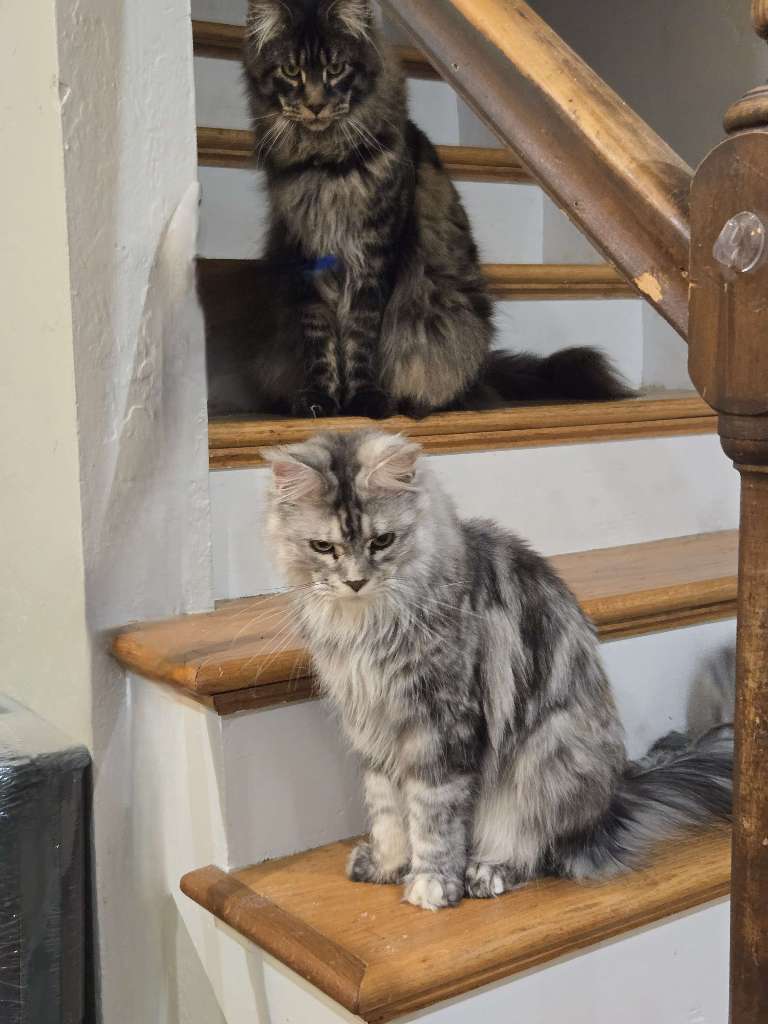
If a cat stops eating, it can turn into an emergency more quickly than many people realize. Cats are very good at hiding discomfort, often continuing on as usual until they simply can’t anymore. A professional pet sitter notices when food intake isn’t quite right. That can be especially tricky in multi-cat households, where one cat may be eating normally while another quietly isn’t. In those homes, cameras near food and water—sometimes in more than one location—can be a helpful extra layer to ensure each cat is eating daily.
Stress alone can cause cats to stop eating or stop using the litter box, which is why daily observation matters.
Daily Visual Checks Matter — Even for Shy Cats
Cats don’t always come out to greet their sitter, and that’s okay. Daily care doesn’t mean forcing interaction.
What it does mean is getting eyes on every cat, every day. A professional pet sitter will:
- Confirm the cat is present and moving normally
- Observe breathing, posture, and energy
- Check eyes for cloudiness, discharge, or irritation
- Look for subtle changes in behavior
If a typically social cat suddenly becomes withdrawn, that’s something to pay attention to. The sitter can gently observe the cat, check for visible concerns, and notify the family to ask if anything has changed recently. This is also why it’s incredibly helpful for families to share anything they’ve noticed before they leave—changes in appetite, behavior, or recent vet visits. That context allows the sitter to provide more informed care.
Curiosity Can Get Cats Into Trouble
Cats are curious by nature. When routines change and the house is quiet, they sometimes explore places they normally wouldn’t. Getting stuck in a closet, basement, cabinet, or awkward space isn’t as uncommon as people think.
Daily visits help ensure a cat hasn’t found themselves in a situation they can’t get out of on their own. Even the shyest cats need that daily visual check.
There Should Always Be a Plan for Appetite Changes
If a cat stops eating, a professional sitter should already have a plan in place with the family from the initial meeting. Sometimes appetite can be encouraged with small changes:
- Offering wet food if the cat usually eats dry
- Trying a different protein
- Using stronger-smelling foods like salmon or whitefish
Plain salmon or tuna can sometimes help jump-start eating when offered on a separate plate, away from the regular food. Any food options should always be pre-approved by the family.
If a cat won’t eat even high-value food away from their usual dish, that’s often a sign a veterinary visit may be needed. For shy cats, food may be left and checked again later to confirm whether it was eaten. That kind of follow-up simply isn’t possible with every-other-day visits.
Enrichment and Presence Still Matter
Cats may not demand attention, but they still benefit from human presence. Talking to them, offering play with a wand or kick toy, gently tossing a ball, or simply sitting nearby can help reduce stress. Opening blinds so they can watch the outside world—what we jokingly call “neighborhood TV”—is another simple form of enrichment. Even quiet companionship can make a difference when their routine has changed. Many shy cats decide to be friends when they begin to trust through consistent care and not forcing them to interact.
Litter Boxes, Water, and the Details That Matter
Daily litter box care is important. Cats don’t like dirty boxes, and changes in stool or urine can be early signs of health concerns. Too little output, loose stools, or unusually large urine clumps are all things a professional sitter pays attention to.
Water needs daily attention as well. Bacteria can begin to grow in water bowls in less than 24 hours. Cats already tend to drink less than they should, so keeping bowls and fountains clean and running properly is part of preventing bigger issues.
Many cats prefer moving water, which makes daily checks of fountains especially important.
Why Daily Visits Matter
At the end of the day, cats need more than a large bowl of food, extra water, and an extra litter box.
They need:
- Daily observation
- Clean water and litter
- Someone noticing small changes
- A plan if something isn’t right
Daily visits support a cat’s overall health and wellbeing—and provide peace of mind for the people who love them.
Your pets are family. Choosing the right sitter matters.
This is the kind of care we offer Kansas City families at Loving Arms Pet Services—professional, thoughtful pet sitting and positive-reinforcement training you can trust.
 Loving Arms Pet Services (LAPS)