From the Pet Sitter’s Notebook: What Does Fear Free Certified Really Mean for Your Pet?
You’ve probably heard the term “Fear Free” at your veterinarian’s office, or maybe you’ve seen it mentioned by a dog trainer or professional pet sitter. But what does it actually mean for your pet, and why should it matter when choosing someone to care for them?
Being Fear Free Certified means I’ve received specialized education in recognizing fear, anxiety, and stress in animals and learning ways to reduce those feelings through thoughtful handling, positive reinforcement, and an understanding of animal behavior.
I’m Fear Free Certified, and I teach our Loving Arms Pet Services team how to use these methods during their visits. My goal is for our sitters to provide a consistent, positive experience for all of the pets in our care.
Because let’s face it, our pets didn’t ask their humans to go on vacation or bring substitute humans into their home!
Their routine has changed, their favorite people are missing, and now someone else is walking through the door. While we’re there to provide food, water, medications, exercise, and companionship, we also need to consider how the pet feels about having us there.
And sometimes the best thing we can do is give them a little space.
The Shy Cat Under the Bed
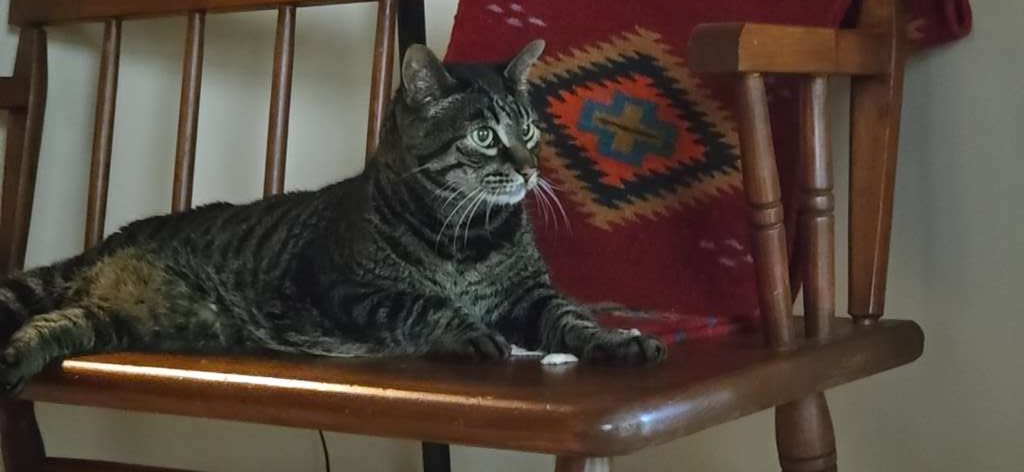
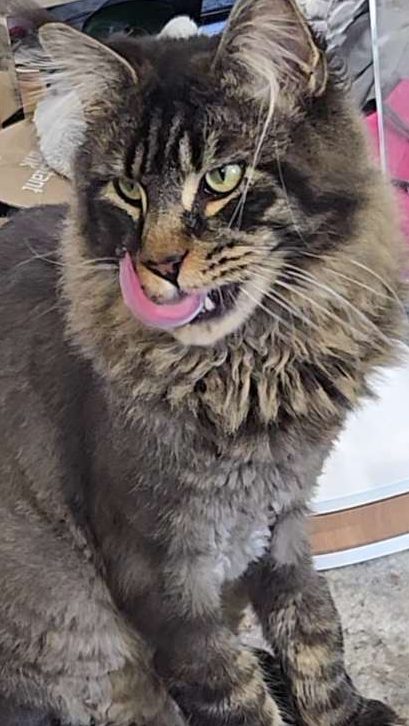
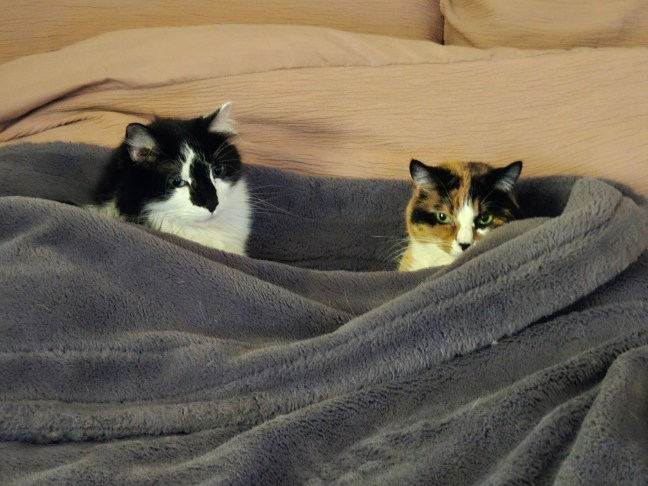
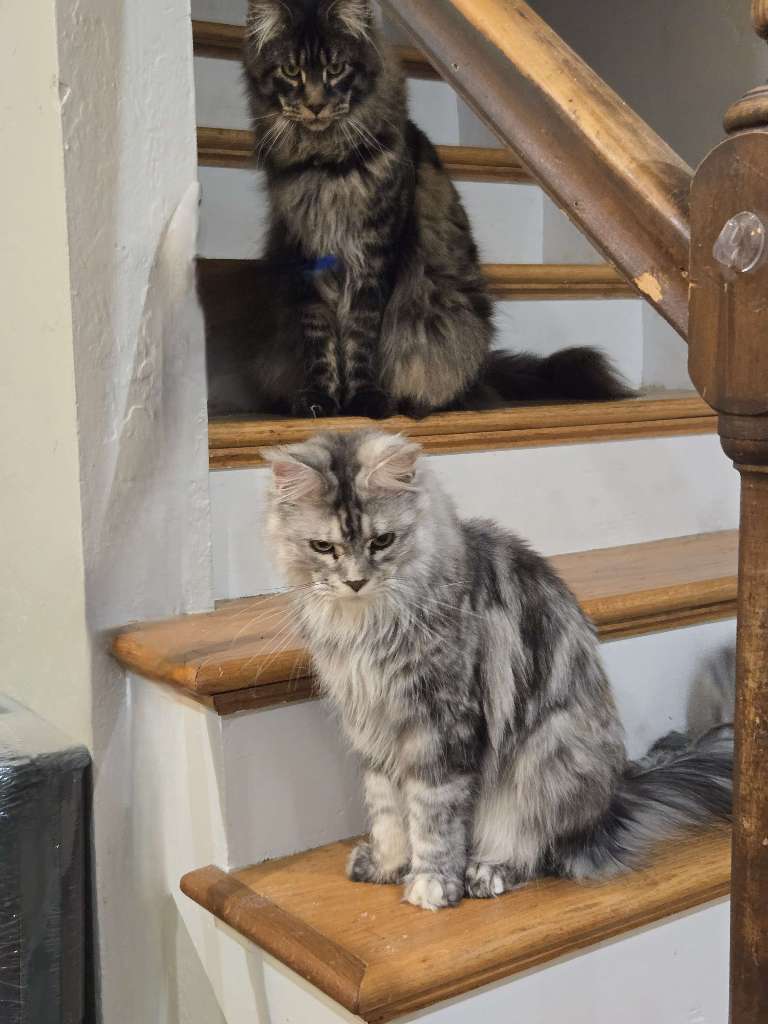
If you’ve ever had a shy cat, you know some disappear the moment an unfamiliar person enters the house.
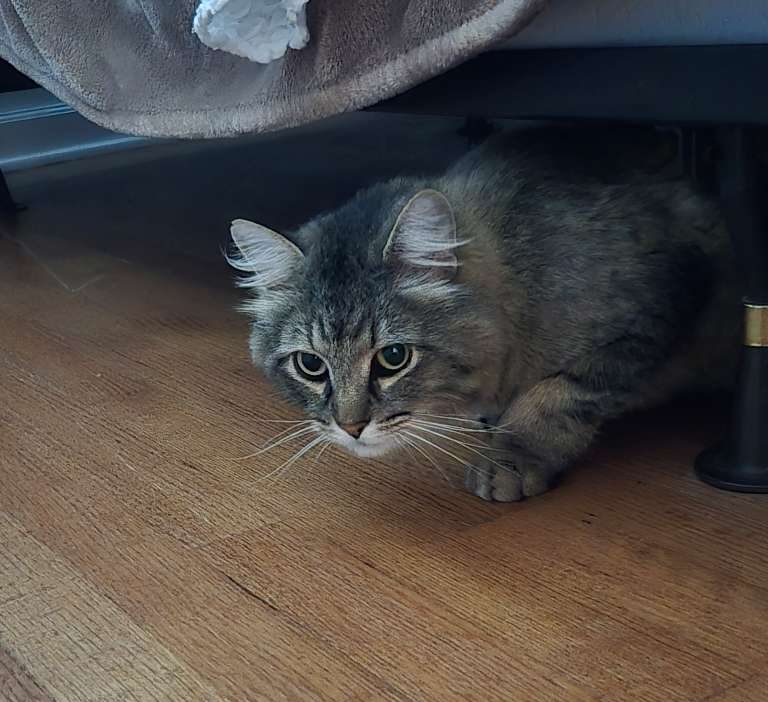
Rather than reaching under the bed or insisting they come out for attention, we let them observe us from wherever they feel safe. We might talk quietly while preparing their food, refreshing water, or cleaning the litter box. We may offer a treat or bring out a favorite toy, but we don’t force an interaction.
Of course, we still make sure they’re safe and doing well. Giving a cat space doesn’t mean ignoring their wellbeing.
I’ve cared for cats who took six months before they finally felt comfortable enough to come out from under the bed during a visit.
Six months!
But here we are years later, and those same cats now come out almost immediately when I arrive. They’re rubbing against me, purring, asking to be brushed, and excited to spend time together.
That trust took time to build, but it’s lasted for years.
Had I spent those early visits pulling them out of their hiding spots or forcing them to accept attention, I doubt we’d have the same relationship today.
When a New Sitter Comes Through the Door
We had a wonderful example of this just last weekend when we introduced Ken, one of our pet sitters, to two dogs who hadn’t had much exposure to men.
I accompanied Ken because we knew the dogs might be nervous. Sure enough, they weren’t quite sure what to think of him and came running to me for reassurance.
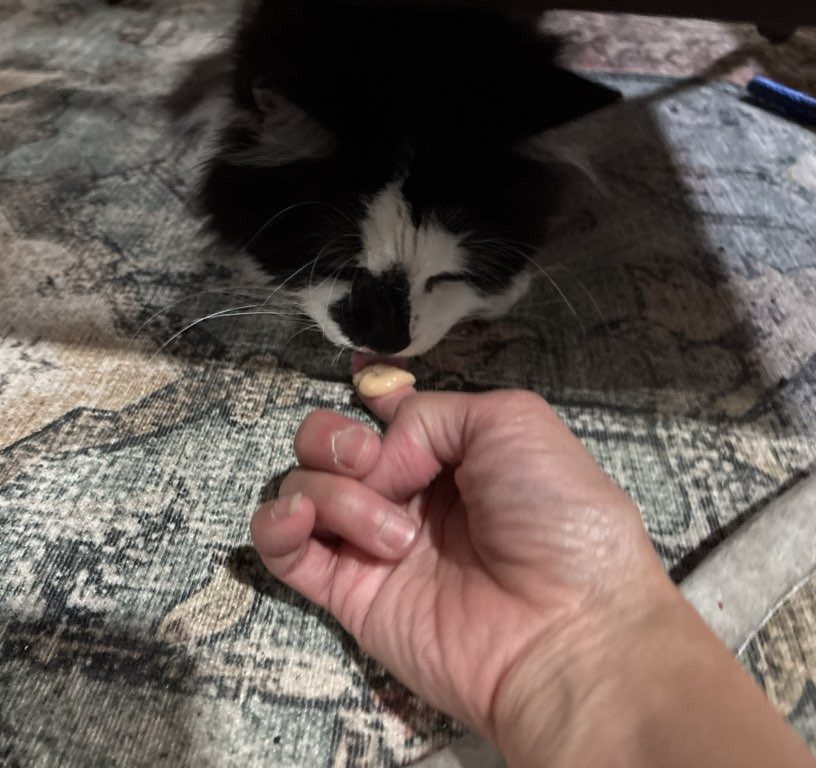
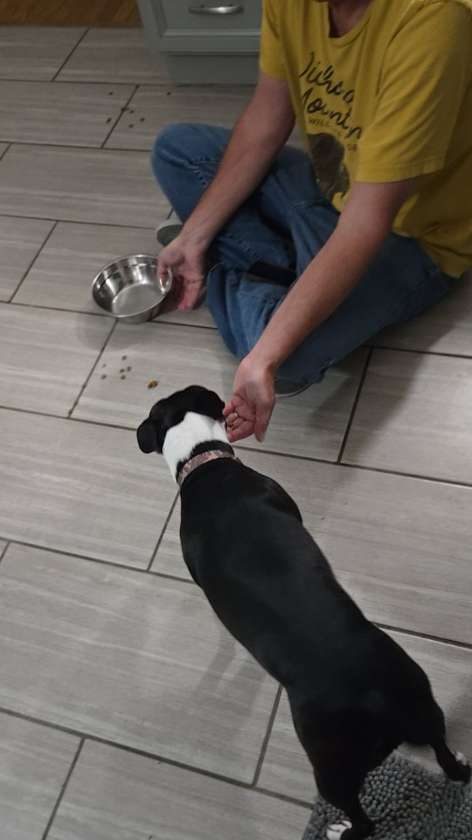
Instead of having Ken approach them or try to pet them, we all sat down on the floor and scattered their dinner around us. This gave them something enjoyable to do while getting used to his presence. We also offered food by hand, allowing each dog to decide whether they were comfortable approaching.
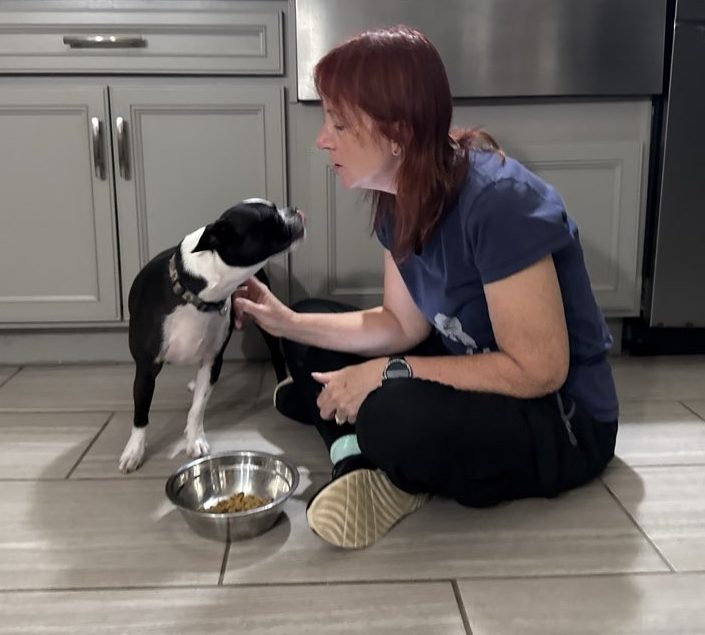
One dog warmed up to Ken more quickly than the other, and that was perfectly fine.
I helped get their leashes on for the first potty break. Afterward, we sat together on the couch, and both dogs became noticeably more comfortable.
By the next potty break, Ken was able to attach their leashes himself and walk with them in the yard.
On the third visit, he went independently, knowing I was available if he needed help. One dog was still a little nervous, but Ken was able to complete their care respecting their feelings. By the end of the visit, both dogs were choosing to approach him for attention.
The dog who became comfortable first also seemed to help the more hesitant dog gain confidence.
We hadn’t forced either dog to accept Ken. We’d given them the opportunity to decide he was safe.
And that made all the difference.
Sometimes Slowing Down Gets Us There Faster
During those visits, Ken and I talked about reading body language, recognizing when an animal needs space, and giving them choices whenever it’s safe to do so.
Something as simple as allowing a dog to sniff you without immediately reaching to pet them can make a difference.
Another technique I’ve found helpful with nervous dogs and shy cats is taking off our shoes and leaving them somewhere the animal can investigate. They can gather information through scent without having to approach the unfamiliar person attached to those shoes!
We also use food scattering, treats, play, and quiet companionship when appropriate. What works for one pet may not work for another.
It can seem like we’re spending a lot of time just waiting for an animal to become comfortable, but that time isn’t wasted. We’re building trust that often makes future visits easier and safer for everyone, while reducing the risk of a frightened pet feeling the need to defend themselves with a bite or scratch.
Of course, emergencies and immediate safety concerns may require us to act even when a pet isn’t comfortable. But even then, we want to use the gentlest safe approach possible.
Why Fear Free Matters in Pet Sitting
Fear Free is often associated with veterinary care, where animals may experience unfamiliar surroundings, handling, examinations, and procedures. But those same principles are valuable during everyday pet sitting.
A dog may happily walk with their regular sitter but become nervous when someone new arrives. A cat may enjoy attention from one team member but hide from another.
That’s why I emphasize these methods when training our staff and why we sometimes recommend additional introductions for pets who are particularly sensitive to unfamiliar people.
Not every team member is individually Fear Free Certified yet, but I want everyone caring for our clients’ pets to understand how to recognize stress, respect an animal’s boundaries, and adjust their approach when needed.
The person coming through the door may change, but the way we approach your pet’s care shouldn’t.
When choosing a pet sitter, it’s important to know they’ll show up, follow instructions, administer medications correctly, and keep your pets safe. But I also encourage families to ask what happens when their pet is frightened or doesn’t cooperate as expected.
Will the sitter recognize what the animal is communicating? Will they know when to slow down, try something different, or ask for help?
Because good pet sitting isn’t just about completing a checklist. It’s about understanding the animal in front of you.
Sometimes that means a happy dog enjoying a walk or a cat purring in someone’s lap. Other times, it means a nervous dog taking one step closer or a shy cat finally deciding to come out from under the bed.
Our pets didn’t choose to have their families leave or to welcome substitute humans into their homes. The least we can do is make that experience as positive and stress-free as possible.
That’s what Fear Free means to me, and it’s the approach I teach our team at Loving Arms Pet Services.
Your pets are family. Choosing the right sitter matters.
Rachelle
Owner- Founder Loving Arms Pet Services
Learn more about our professional in-home pet sitting for the Waldo/Brookside and surrounding areas and positive-reinforcement dog training in Greater Kansas City at Loving Arms Pet Services.