Why We Notice the Little Things in Pet Care

There are weeks when something happens that reminds me exactly why I do what I do.

This was one of those weeks.

Nothing dramatic happened. There was no major emergency or heroic rescue.

Instead, there was a senior dog who needed a little extra help. A cat who changed his mind about what he was willing to eat with his medication. Another cat who needed a different food for her pills. And one particularly resourceful kitty who apparently decided that while his humans were away, it was the perfect opportunity to throw himself an unsupervised kibble party.

It was the little things.

And the way my team handled those little things made me incredibly proud.

An Old Dog Who Needed a Little Help

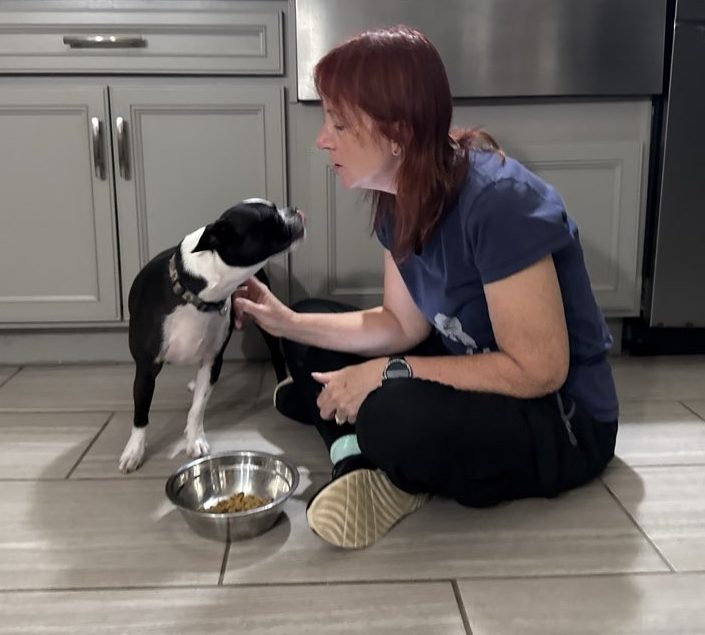
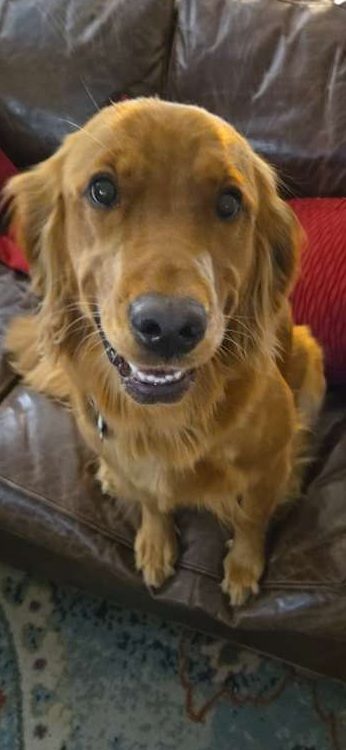
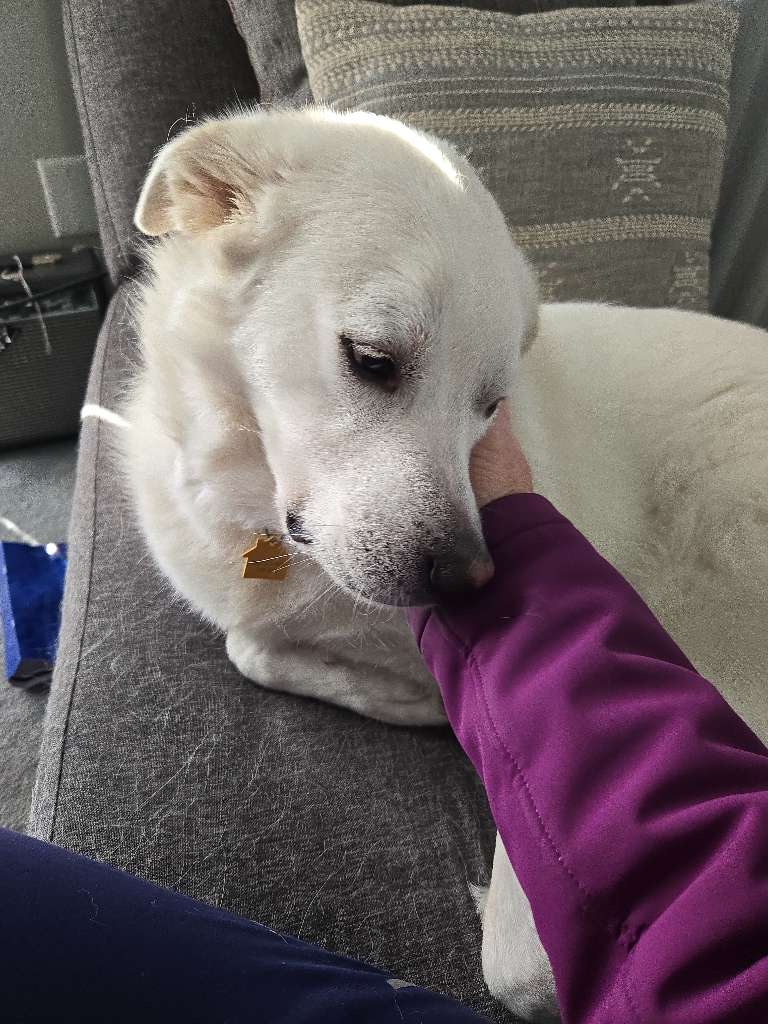
One of our larger senior dog clients is 13 years old, and lately getting up and going outside isn’t always easy for him.

One evening, Jodie arrived for his visit and couldn’t convince him to get up to go potty.

She didn’t keep pushing him. She didn’t shrug and leave because she’d completed everything else on the list.

She called for reinforcements.

I was nearby, so I drove over to help.

A few days earlier, Ken had been with me for one of this dog’s visits, and we’d noticed that our senior friend really seemed to perk up when Ken was there.

Ken also lives only a few minutes away. Had I not been available that evening, he very likely would have been my next call.

Later, after Ken read our team updates and saw that the old guy had been struggling, he reached out on his own. He told me that although he wasn’t scheduled, he had some flexibility over the weekend and, if our senior friend needed him, he’d be happy to help.

Nobody asked Ken to offer.

He simply remembered a dog he’d met who seemed to enjoy having him around and thought, Maybe I can help.

And Jodie didn’t fail because she couldn’t get the dog up.

She succeeded because she recognized that he needed something different and asked for help.

Because we have a team, there was someone to ask.

Sometimes a Kitty Has Opinions About the Menu

Then there are cats and medication.

Anyone who has ever tried to convince a cat to take a pill probably already knows where this is going.

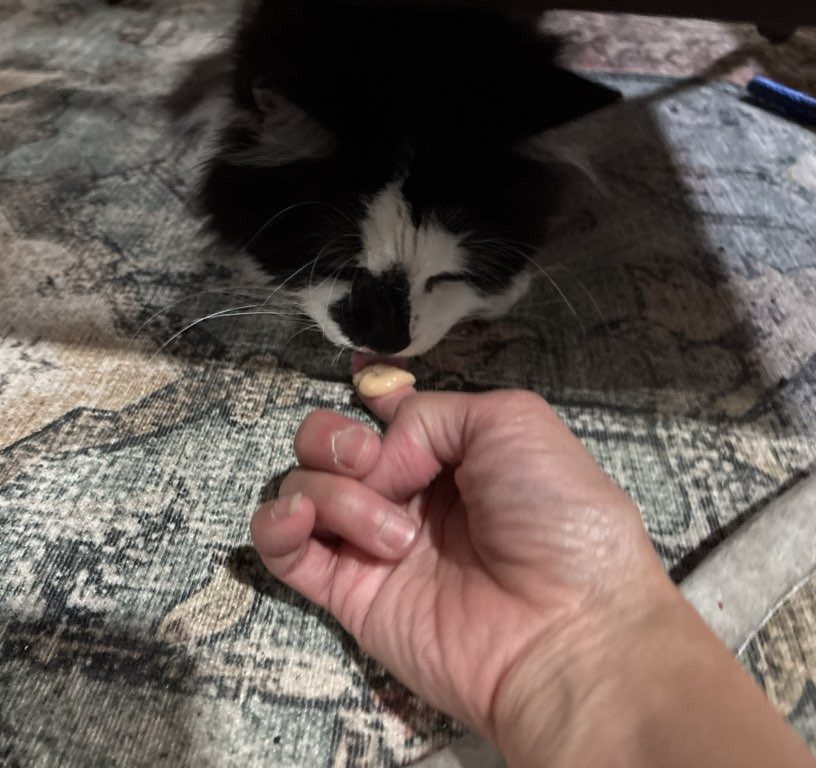
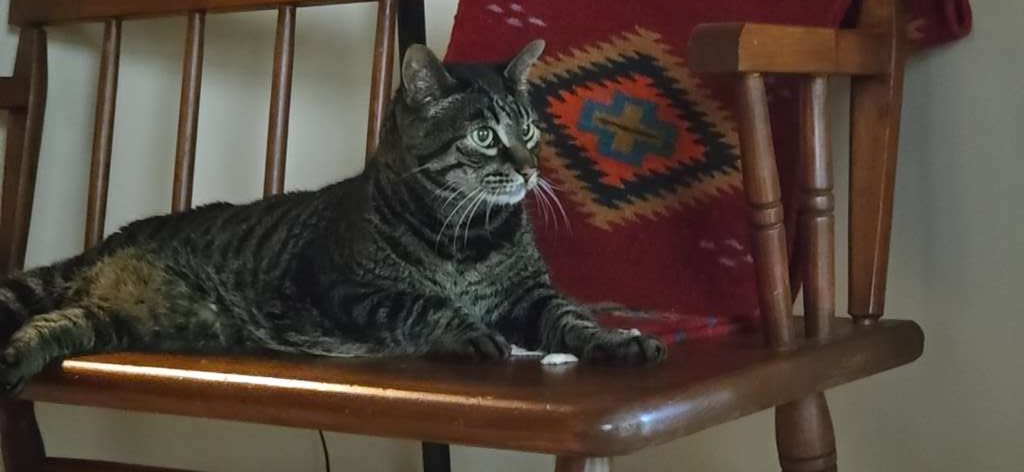
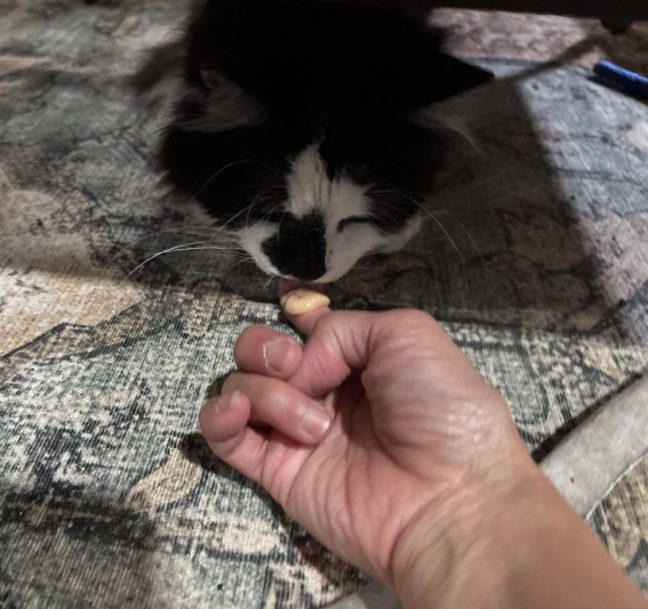
One of the cats in our care would take his medication in one particular flavor of food.

And only that flavor.

When Tricia discovered he’d run out, she went out and bought more.

She didn’t call me and ask me to do it. In fact, she didn’t even know I would reimburse her. She simply knew this was what the cat needed to successfully take his medication, and she solved the problem. When I found out what Tricia had done, I completely understood, because I’ve done the same thing over the years when a pet needed something unexpectedly. Of course, I reimbursed her.

Going forward, the team knows to check with me first. I sometimes have extra food or supplies from another recent client stay that we can use, with the pet parent’s approval, rather than having someone make a trip to the store.

And wouldn’t you know it, we got to put that system into practice almost immediately.

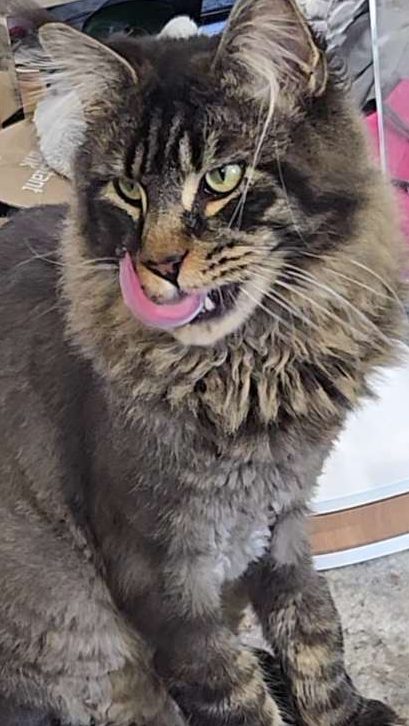
Another kitty decided that the chowder she’d previously approved for taking her pills was no longer acceptable.

Apparently we’re a stew household now.

Her mom let us know that she’d recently been enjoying a particular type of stew, but she’d run out and it wouldn’t be delivered before her next visit the next morning.

Tricia remembered the food she’d recently purchased for the other kitty and knew there was some left over that he hadn’t needed.

But we didn’t simply decide what to feed someone else’s cat.

Tricia sent Mom a picture of the options and asked whether any of them would be okay. Mom picked the one she thought her kitty would like best, and Tricia made plans to bring it for her next visit.

Problem solved.

And, importantly, solved with the pet parent’s approval.

That’s something I want my team to understand, too.

Sometimes the answer is, I can handle this.

Sometimes it’s, I need to check with Rachelle.

And sometimes it’s, This decision belongs to the pet parent.

Knowing the difference matters.

And Then There Was the Kibble Party

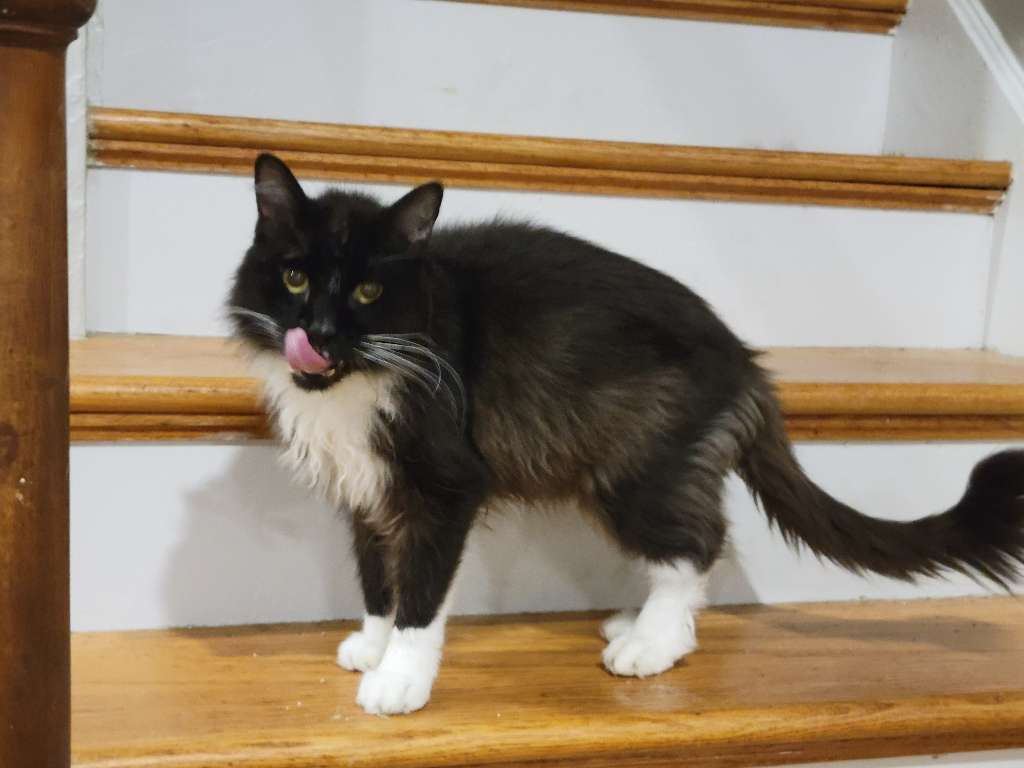
Another kitty apparently had plans of his own.

Sometime between his morning and evening visits, he figured out how to get into the cupboard where his bag of dry food was stored.

He pulled out the bag and he chewed a hole in it.

And judging by the scene Jodie discovered when she arrived that evening, I can only assume he had a delightful afternoon.

Jodie didn’t need to call me and ask what to do.

She cleaned everything up, found an appropriate food-storage container in the client’s kitchen, transferred the remaining food into it, and secured it so our little party animal couldn’t help himself again later.

She let the owners know, and we talked about how much he might actually have eaten. Since I had been the last person to refill the container we normally feed him from, I had a pretty good idea of how much food had been left in the bag. Thankfully, after comparing what remained with what he’d scattered around, it appeared he’d made a much bigger mess than meal of it.

Kibble Party: Round Two was canceled.

There was no emergency. No complicated decision needed to be made.

There was simply a problem in front of her, and she solved it.

And that’s the point.

This Is What “We Notice the Little Things” Actually Means

“We notice the little things” is something we say a lot at Loving Arms Pet Services.

It’s easy to put something like that on a website.

It’s something entirely different to watch your team live it when nobody has told them to.

There isn’t a procedure in our SOP titled, “What to do when a cat breaks into the kibble cupboard.”

Nobody instructed Ken to offer his time because a senior dog seemed to respond particularly well to him.

And nobody had to tell Tricia that getting medication into a picky cat sometimes means figuring out what that particular cat considers acceptable cuisine today.

They noticed.

They thought about what the animal in front of them needed.

And they did something about it.

There are a lot of things I can teach someone when they join the LAPS team.

I can teach our safety procedures. I can teach them how we enter and secure a client’s home, how we document medications, what belongs in a visit update, how we communicate with clients, and when something needs to be escalated.

I can teach procedures.

What I can’t teach is the instinct to look at an animal and think:

What does this particular pet need from me right now?

That’s something the people I hire have to bring with them.

Caring Is Something They Bring. Good Judgment Is Something We Develop.

Hiring caring people doesn’t mean I turn them loose and tell them to do whatever they think is best.

A big part of training at LAPS is learning where their autonomy begins and where it ends.

I don’t want my sitters calling or texting me for permission every time something unexpected happens. I want them to have the confidence and autonomy to make everyday decisions in the best interest of the pet.

But I also want them to recognize when something isn’t their decision to make.

If they’re unsure whether something is safe, whether it changes a pet’s care instructions, whether there’s a medical concern, or whether a pet parent needs to approve something, they know to reach out to me.

And when they do, I don’t simply want to answer, “Yes, that’s okay,” or, “No, don’t do that.”

I explain why.

We walk through the situation, what we’re going to do and why we’re handling it that way.

Because my goal isn’t to make my employees really good at asking me questions.

My goal is to teach them how to make good decisions.

Then, the next time they encounter something similar, they have another tool in their toolbox.

We Learn From Every Visit

And here’s where having a team becomes even more valuable.

Our sitters aren’t operating in little bubbles.

We use a pet-care platform where our team can see the updates from previous visits. Those updates aren’t only there to tell a pet parent how the visit went. They’re also valuable information for the next sitter walking through the door.

One of our dog clients loves being outside. On particularly hot days when it’s too warm for her usual walk, she’s perfectly content to sit in the sunshine and enjoy herself for as long as we’ll allow.

The only problem?

She sometimes forgets that she’s actually outside to go potty.

I’ve learned that sometimes I have to pick her up, carry her farther out into the yard, set her down and essentially remind her why we’re out there.

When Melissa was caring for her, she had read through our previous visit notes and saw that I’d had success doing exactly that.

So when our little sunbather was more interested in enjoying the day than taking care of business, Melissa didn’t have to start from scratch.

She tried what she’d seen me do.

And it worked.

That’s exactly why those shared notes matter.

If Tricia discovers something that works today, Jodie can try it tomorrow. If Ken notices that a senior dog responds particularly well to a certain approach, the next sitter knows that. And if I’ve already figured out how to convince a sunbathing dog that we’re actually outside for a potty break, Melissa doesn’t have to reinvent the wheel.

A sitter can think:

Okay, what I’m trying isn’t working. What has worked for someone else?

They can look at what the rest of the team has learned about that particular animal and try another safe approach.

And maybe that sitter discovers something new that works.

Now the next person knows that, too.

Little by little, we’re building a shared library of knowledge about your individual pet.

Your pet doesn’t have to teach every sitter everything we’ve already learned about them.

Because animals aren’t machines. What worked yesterday may not work today. Their preferences change. Their comfort levels change. Senior pets have good days and harder days.

And sometimes they’re cats who have decided that chowder is out and stew is in.

Or dogs who have decided that potty time is actually sunbathing time.

So we adjust.

We start with what we know about the pet.

We use what the rest of the team has learned.

We try another appropriate approach.

And when we’ve tried the options we know are safe and they’re still not working?

We call for reinforcements.

That’s not failure.

That’s good pet care.

Sometimes the Answer Is Another Member of the Team

There’s another advantage to having a team that I don’t think I fully appreciated when Loving Arms Pet Services was just me:

Not every pet responds to every person the same way.

A dog who isn’t particularly interested in getting up for one sitter may perk up when someone else walks through the door.

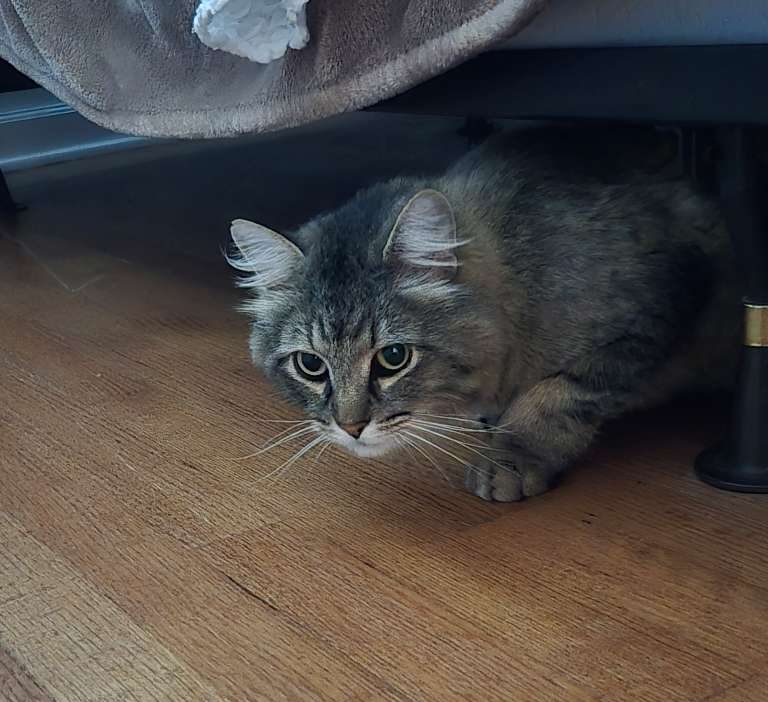
A shy cat may feel more comfortable with one person’s energy or approach.

Another pet may simply decide that one particular team member is their person.

And that’s okay.

Our job isn’t to make the pet adapt to us.

Our job is to figure out what works best for the pet.

So if something isn’t working, we don’t shrug and say, “Oh well.”

We communicate.

We look at what everyone else has observed.

We try another approach.

And sometimes we try another member of the team.

If the pet responds differently, my next question becomes:

How do we make more of that happen?

We’re not a collection of interchangeable people checking tasks off a list.

We’re individuals with different personalities, strengths and relationships with the animals we care for.

And because we communicate with each other, we can use those differences to give each pet what they need.

Sometimes “We notice the little things” means noticing something about the pet.

Sometimes it means noticing who that pet needs.

Building a Team I Trust With Your Pets

Loving Arms Pet Services started with me.

As the business has grown into a team, I’ve had to do something that isn’t particularly easy when you’ve spent years building a business around your personal standard of care:

I’ve had to trust other people to represent it.

And I don’t take that lightly.

That’s why I’m intentional about whom I hire.

It’s why we train.

It’s why new sitters shadow experienced sitters.

It’s why we talk through situations instead of simply handing someone a checklist and sending them into a client’s home.

And it’s why we communicate with each other throughout a client’s time away.

I don’t expect every member of my team to make every decision exactly the way I would on their first day.

I want to teach them how we think about those decisions at LAPS, so eventually they don’t need me standing beside them to make the right call.

And then I have weeks like this one.

I see Jodie recognize that a senior dog needs more help than she can provide by herself and call for reinforcements.

I see Ken remember how that same dog responded to him and offer to be available if he’s needed.

I see Tricia notice that a cat doesn’t have what he needs to successfully take his medication and immediately start looking for a solution.

I see her encounter a similar situation later, remember what we’d discussed, use the resources available to her, and know when the decision needs to go back to the pet parent.

I see an update from Melissa that she remembered what she’d read in our previous notes and carried the dog out into the yard to trigger her memory to go potty.

And I see Jodie walk into the aftermath of a kitty kibble party, quietly fix the problem and make sure it can’t happen again.

Nobody had to tell these people to care.

They already did.

My job is to give them the training, tools, support and autonomy to turn that caring into really good professional pet care.

That’s the team we’re building at Loving Arms Pet Services.

And those are the people I trust to care for your pets when I’m not there.

Because sometimes the biggest difference in pet care really is noticing the little things.

And when you’re part of a team, we don’t just notice the little things. We share the little things we notice.

Your pets deserve a team that pays attention, communicates, and cares about the little things that make them unique. If you’re looking for professional pet sitting in Waldo, Brookside, South Kansas City, Prairie Village, Mission Hills, or surrounding areas, we’d love to meet you and your pets.

Ready to meet the Loving Arms team? Contact us to get started.

Managing Pet Anxiety: Tips for Vacation Feeding

From the Pet Sitter’s Notebook: When Pets Stop Eating While Their Family Is Away

One of the biggest worries many families have before a trip is not just whether their pets will be cared for, but whether they will be stressed.

Will they eat?
Will they be anxious?
Will they settle into the routine without their people home?

These are very normal concerns.

When you hire a professional pet sitter, part of what you are really hiring is preparation. Our goal is not only to care for your pets while you are away, but to help you feel less worried knowing there is a plan if something does not go quite as expected. One of the most common stress responses we see in pets is a decreased appetite.

Stress Can Change Eating Habits Quickly

Some pets continue their normal routine without missing a beat. Others become too distracted, anxious, or unsettled to eat normally once their family leaves. That does not automatically mean something is seriously wrong, but it is something a professional sitter pays close attention to.

If a pet stops eating, we begin thinking through possibilities:

  • Is this stress-related
  • Is the feeding schedule different than usual
  • Is there something medical starting
  • Has the environment changed enough that the pet feels uneasy

Sometimes simple adjustments help.

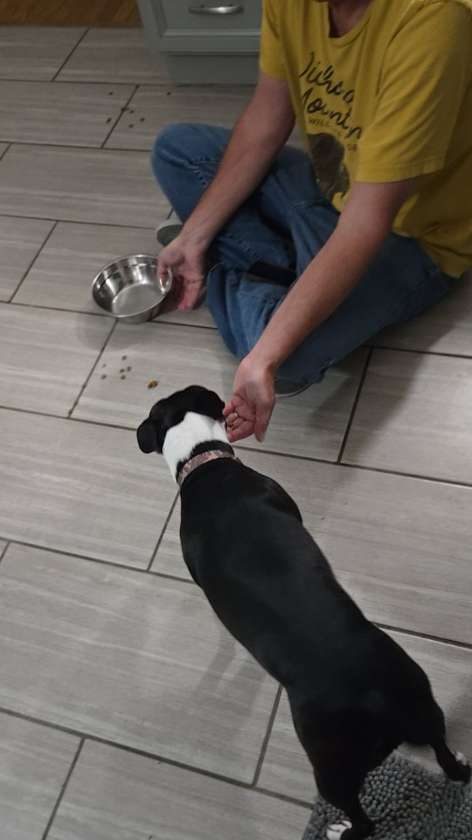
That may include offering approved alternate foods (with your approval of course), warming wet food to make it smell more enticing, hand-feeding to build comfort and trust, or adjusting how and where meals are offered. If concerns continue, we may recommend a vet visit to rule out something more serious or discuss whether an appetite stimulant is appropriate. A professional sitter should work in partnership with the family, sharing observations, asking questions, and helping solve problems and concerns together.

Routine Matters More Than Many People Realize

One thing families do not always think about is how much meal timing can affect appetite.

For example, a pet who normally eats several smaller meals throughout the day may struggle if vacation care suddenly changes to breakfast and dinner only. Even if the total amount of food stays the same, the routine feels very different to the pet.

In some cases, it helps to gradually transition to the vacation feeding schedule before leaving. In others, families may choose additional visits to better match their pet’s normal routine.

These are details worth discussing before the trip rather than after concerns begin.

Appetite Changes Can Sometimes Reveal Larger Issues

Occasionally, a pet who struggles to eat while their family is away is actually showing signs of an underlying medical issue that had not fully surfaced yet.

Pets are often very good at hiding discomfort from the people they love most. Sometimes the stress of a routine change is simply the final piece that makes the issue more noticeable. A pet struggling with dry food, chewing slowly, or walking away from meals may be dealing with dental discomfort. A pet who suddenly refuses food entirely may have nausea, illness, stress, or something else that needs attention.

This is why communication between the family and sitter matters so much.

Let your sitter know:

  • If your pet’s eating habits tend to change when you travel
  • What has helped in the past
  • Any food allergies or sensitivities
  • Approved treats or alternate foods
  • Any recent health changes or vet visits

The more information we have, the better we can care for your pets.

Planning Ahead Helps Everyone

Before traveling, it is also a good idea to let your veterinarian know you will be away. If possible, discuss:

  • What care you authorize if your pet needs to be seen
  • Emergency contact information
  • Whether a card can be kept on file
  • Any allergies to medications or foods

Let the veterinary office know who your pet sitter is as well, so they are prepared if communication or a visit becomes necessary while you are unreachable. These small preparations make stressful situations much easier to navigate if they arise.

We Worry About Them Too

One thing many families do not realize is that when pets are struggling, their sitters feel it too. We care deeply about the animals we look after. When a pet is not eating, not acting like themselves, or seems stressed, we are not simply checking a box and moving on. We are observing, adjusting, communicating, and doing our best to help them feel safe and comfortable until their family returns home.

This partnership between pet parents and professional sitters is what helps pets navigate change with as little stress as possible. Having consistency with your pet sitting team will also help catch when things seem different from the last time you took a trip.

Your pets are family. Choosing the right sitter matters.
This is the kind of care we offer Kansas City families at Loving Arms Pet Services—professional, thoughtful pet sitting and positive-reinforcement training you can trust.

What Kansas City Pet Owners Need to Know About Pet Sitting

Not All Pet Sitting Is the Same — Peace of Mind Starts With the Right Pet Sitter

When you’re looking for someone to care for your pets, it can feel like there are a lot of options. At a glance, many of them can look similar—someone comes by, feeds your pet, lets them out, and hopefully sends updates and photos. But in practice, the level of care, consistency, and responsibility behind those visits can be very different. And when it comes to your pets and your home, those differences matter.

Consistency vs. Availability

One of the biggest differences comes down to how care is scheduled and delivered. With many app-based or gig-style services, sitters set their own availability day by day. That can mean last-minute changes, gaps in coverage, or different people each time you need help. With a professional pet sitting service like LAPS, visits are scheduled within structured time windows and handled by a trained team that follows consistent standards. Your care isn’t dependent on who happens to be available that day—it’s planned, reliable, and managed. A professional will have notes for the pets and home to make sure both are taken care of the same way every time. You don’t have to go over it with someone every time you need a pet sitter.

Experience Isn’t Always Equal

Not everyone providing pet care has the same level of experience. At LAPS, care is backed by over 25 years of hands-on experience working with dogs and cats of all temperaments, including shy, anxious, and medical-needs pets. Using Fear Free certification and training as well as being trained in pet CPR and First Aid it’s important to prevent stress and be able to handle emergencies that may arise. That means we’re not just showing up—we’re actively observing behavior, recognizing when something is off, and adjusting our approach based on what your pet needs in that moment.

Care Goes Beyond the Basics

A visit isn’t just about completing a checklist. It’s about noticing that your dog is moving a little slower than usual. That your cat didn’t come out right away like they normally do. That something in the home feels slightly off. These small details are often where the most important care happens. There should be focus on those details—because they’re what keep pets safe, comfortable, and truly cared for while you’re away.

Communication You Can Actually Trust

Updates should do more than confirm a visit was completed. You deserve to know how your pet is doing. That’s why our visit updates include meaningful details about behavior, appetite, mood, and anything out of the ordinary—along with photos that reflect your pet’s comfort and routine. Our goal is simple: you shouldn’t have to wonder how things are going.

Accountability Matters

When you invite someone into your home, trust matters. Professional pet sitting services operate with clear expectations, training, and accountability. Visits are tracked, instructions are followed carefully, and there is a system in place to ensure consistency and reliability. That level of structure is what allows you to leave home without second-guessing whether everything is being handled the way it should be.

Choosing the Right Fit for Your Pet

Every pet and every household is different. For some, a flexible, app-based option may feel like the right fit. For many pet owners—especially those with shy pets, medical needs, or simply a desire for consistent, professional care—a structured, experienced service offers a level of confidence that’s hard to match.

Final Thoughts

At the end of the day, pet sitting isn’t just about stopping by. It’s about showing up with awareness, experience, and responsibility—every single time. Your pets are family. Choosing the right sitter matters. This is the kind of care we offer Kansas City families at Loving Arms Pet Services—professional, thoughtful pet sitting and positive-reinforcement training you can trust.

Who You Trust With Your Pets Matters

When you need someone to care for your pets, it can feel like there are endless options. A quick search brings up apps, neighborhood recommendations, and individuals offering to help. On the surface, many of these options can look similar. Everyone loves animals. Everyone says they are reliable. Everyone has good intentions. But when you take a step back, there is a meaningful difference between someone who enjoys pets and someone who is professionally responsible for their care. And that difference tends to matter most when something does not go as expected.

It Is Not Just About the Easy Days

Most pet care visits are uneventful. Meals are eaten, litter boxes are clean, dogs go outside, and everything goes as planned. The value of a professional often shows up in the moments that are less predictable.

The heating or air conditioning doesn’t seem to be working
A pet is behaving just slightly differently than usual.

A dog refuses to eat.
A cat is hiding and does not come out.
A medication needs to be given and the pet resists.
A door does not latch the way it normally does.

These are the moments where experience matters. A professional pet sitter is not just completing a checklist. They are observing patterns, noticing small changes, and making decisions in real time and keeping you updated.

Experience Brings Pattern Recognition

When you have cared for hundreds over thousands of visits, you recognize what is normal and what is not. A full food bowl might not mean a cat skipped one meal. It might mean they have not eaten in longer than that.
A dog that seems “a little off” might be showing the early signs of stress or illness. A change in litter box output might be the first indication of a larger issue. These details are easy to miss if you are not used to looking for them.

Professional sitters are trained to notice these patterns and to act on them early, when it matters most.

Safety Is Part of the Job

Pet sitting is not just about care. It is also about safety. Preventing escapes by managing doors and gates. Handling dogs on leash in unpredictable environments. Moving thoughtfully through a home are all part of the responsibility. In multi-pet households, it also includes managing interactions between pets and recognizing when separation might be needed. These are skills that come from training and experience, not just good intentions.

About Apps and Marketplaces

Platforms that connect pet owners with sitters can be helpful tools. They make it easy to find someone quickly and to read reviews. At the same time, it is important for families to understand that many of these platforms do limited screening. The responsibility often falls on the pet owner to evaluate the person they are inviting into their home. That does not mean there are not good sitters on those platforms. There absolutely are. It does mean that it is worth taking the time to ask thoughtful questions, verify experience, and understand exactly who will be caring for your pets, home and everything in it.

What to Look For

When choosing a pet sitter, consider asking:

  • Do they have professional training and continuing education
  • Are they pet CPR and First Aid certified
  • Do they carry insurance, including care, custody, and control coverage outside of the app you found them on
  • What is their plan if they are sick or unable to make a visit
  • How do they handle emergencies
  • How do they approach fearful or stressed pets
  • Do they do this full time or occasionally
  • How often will they update you and will they send you pictures of your pets?

A professional should be able to answer these questions clearly and comfortably.

Reliability and Accountability

When pet care is someone’s profession, there is a higher level of accountability. There are systems in place. There are backups. There is communication that is structured and consistent. There is a commitment to showing up, even on holidays or in difficult conditions. For many professionals, this is not a side job. It is their work, and they understand the level of trust that comes with it.

Peace of Mind Matters

Inviting someone into your home and trusting them with your pets is not a small decision. Knowing that the person caring for your pets is trained, experienced, insured, and prepared allows you to relax while you are away. It means that if something unexpected happens, there is already a plan. And often, that peace of mind is the most valuable part of all.

Your pets are family. Choosing the right sitter matters.
This is the kind of care we offer Kansas City families at Loving Arms Pet Services—professional, thoughtful pet sitting and positive-reinforcement training you can trust.