What Does Fear Free Certified Pet Sitting Mean for Your Pet?

From the Pet Sitter’s Notebook: What Does Fear Free Certified Really Mean for Your Pet?
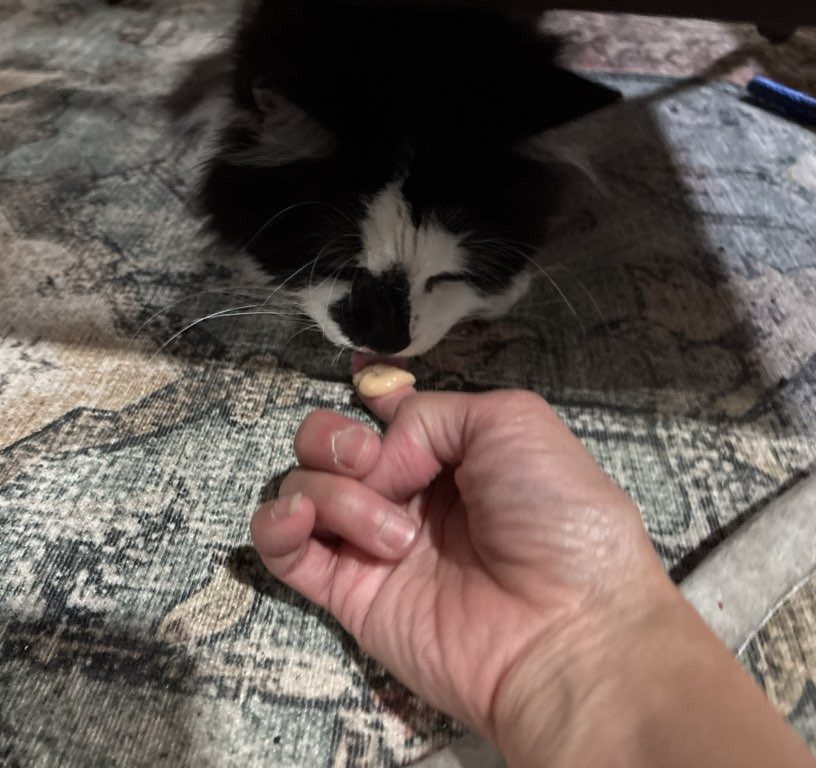
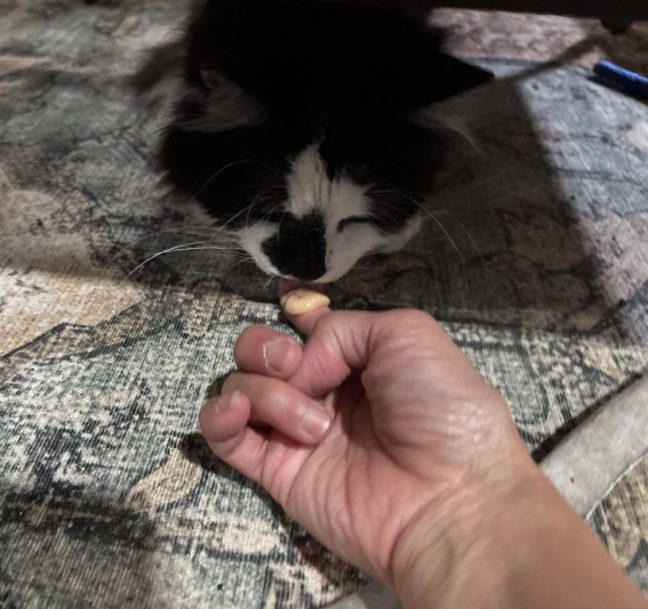
A person feeding a black and white cat with a treat while the cat licks its lips.

You’ve probably heard the term “Fear Free” at your veterinarian’s office, or maybe you’ve seen it mentioned by a dog trainer or professional pet sitter. But what does it actually mean for your pet, and why should it matter when choosing someone to care for them?

Being Fear Free Certified means I’ve received specialized education in recognizing fear, anxiety, and stress in animals and learning ways to reduce those feelings through thoughtful handling, positive reinforcement, and an understanding of animal behavior.

I’m Fear Free Certified, and I teach our Loving Arms Pet Services team how to use these methods during their visits. My goal is for our sitters to provide a consistent, positive experience for all of the pets in our care.

Because let’s face it, our pets didn’t ask their humans to go on vacation or bring substitute humans into their home!

Their routine has changed, their favorite people are missing, and now someone else is walking through the door. While we’re there to provide food, water, medications, exercise, and companionship, we also need to consider how the pet feels about having us there.

And sometimes the best thing we can do is give them a little space.

The Shy Cat Under the Bed

If you’ve ever had a shy cat, you know some disappear the moment an unfamiliar person enters the house.
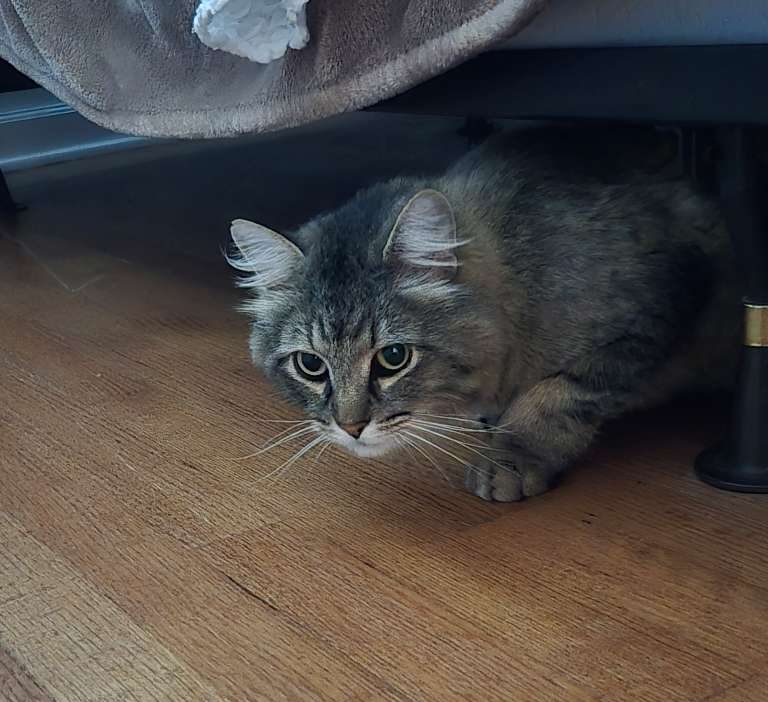
A curious cat crouched on a wooden floor, partially hidden under a bed, with piercing eyes and a fluffy coat.

Rather than reaching under the bed or insisting they come out for attention, we let them observe us from wherever they feel safe. We might talk quietly while preparing their food, refreshing water, or cleaning the litter box. We may offer a treat or bring out a favorite toy, but we don’t force an interaction.

Of course, we still make sure they’re safe and doing well. Giving a cat space doesn’t mean ignoring their wellbeing.

I’ve cared for cats who took six months before they finally felt comfortable enough to come out from under the bed during a visit.

Six months!

But here we are years later, and those same cats now come out almost immediately when I arrive. They’re rubbing against me, purring, asking to be brushed, and excited to spend time together.

That trust took time to build, but it’s lasted for years.

Had I spent those early visits pulling them out of their hiding spots or forcing them to accept attention, I doubt we’d have the same relationship today.

When a New Sitter Comes Through the Door

We had a wonderful example of this just last weekend when we introduced Ken, one of our pet sitters, to two dogs who hadn’t had much exposure to men.

I accompanied Ken because we knew the dogs might be nervous. Sure enough, they weren’t quite sure what to think of him and came running to me for reassurance.

Instead of having Ken approach them or try to pet them, we all sat down on the floor and scattered their dinner around us. This gave them something enjoyable to do while getting used to his presence. We also offered food by hand, allowing each dog to decide whether they were comfortable approaching.
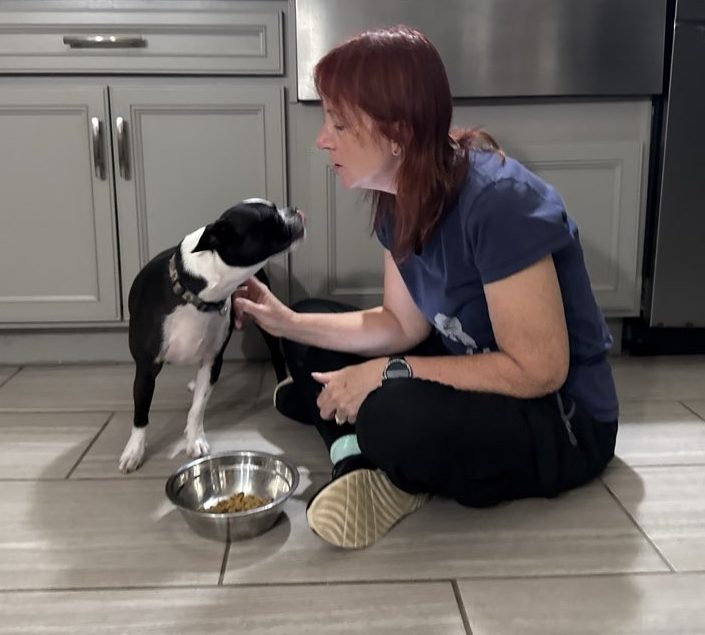
A woman kneeling on the floor interacts with a small black and white dog beside a food bowl.

One dog warmed up to Ken more quickly than the other, and that was perfectly fine.

I helped get their leashes on for the first potty break. Afterward, we sat together on the couch, and both dogs became noticeably more comfortable.

By the next potty break, Ken was able to attach their leashes himself and walk with them in the yard.

On the third visit, he went independently, knowing I was available if he needed help. One dog was still a little nervous, but Ken was able to complete their care respecting their feelings. By the end of the visit, both dogs were choosing to approach him for attention.

The dog who became comfortable first also seemed to help the more hesitant dog gain confidence.

We hadn’t forced either dog to accept Ken. We’d given them the opportunity to decide he was safe.

And that made all the difference.
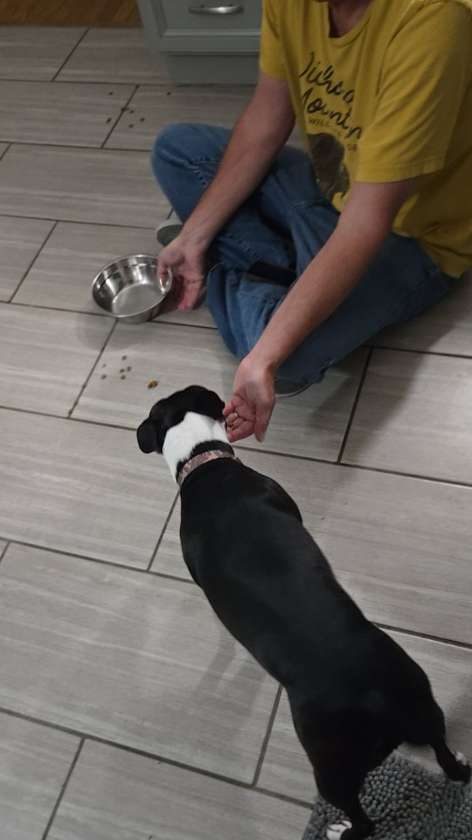
A person sitting on the floor, wearing a yellow t-shirt, is feeding a black and white dog from their hand. A metal bowl is placed nearby on the floor, containing some pet food.

Sometimes Slowing Down Gets Us There Faster

During those visits, Ken and I talked about reading body language, recognizing when an animal needs space, and giving them choices whenever it’s safe to do so.

Something as simple as allowing a dog to sniff you without immediately reaching to pet them can make a difference.

Another technique I’ve found helpful with nervous dogs and shy cats is taking off our shoes and leaving them somewhere the animal can investigate. They can gather information through scent without having to approach the unfamiliar person attached to those shoes!

We also use food scattering, treats, play, and quiet companionship when appropriate. What works for one pet may not work for another.

It can seem like we’re spending a lot of time just waiting for an animal to become comfortable, but that time isn’t wasted. We’re building trust that often makes future visits easier and safer for everyone, while reducing the risk of a frightened pet feeling the need to defend themselves with a bite or scratch.

Of course, emergencies and immediate safety concerns may require us to act even when a pet isn’t comfortable. But even then, we want to use the gentlest safe approach possible.

Why Fear Free Matters in Pet Sitting

Fear Free is often associated with veterinary care, where animals may experience unfamiliar surroundings, handling, examinations, and procedures. But those same principles are valuable during everyday pet sitting.

A dog may happily walk with their regular sitter but become nervous when someone new arrives. A cat may enjoy attention from one team member but hide from another.

That’s why I emphasize these methods when training our staff and why we sometimes recommend additional introductions for pets who are particularly sensitive to unfamiliar people.

Not every team member is individually Fear Free Certified yet, but I want everyone caring for our clients’ pets to understand how to recognize stress, respect an animal’s boundaries, and adjust their approach when needed.

The person coming through the door may change, but the way we approach your pet’s care shouldn’t.

When choosing a pet sitter, it’s important to know they’ll show up, follow instructions, administer medications correctly, and keep your pets safe. But I also encourage families to ask what happens when their pet is frightened or doesn’t cooperate as expected.

Will the sitter recognize what the animal is communicating? Will they know when to slow down, try something different, or ask for help?

Because good pet sitting isn’t just about completing a checklist. It’s about understanding the animal in front of you.

Sometimes that means a happy dog enjoying a walk or a cat purring in someone’s lap. Other times, it means a nervous dog taking one step closer or a shy cat finally deciding to come out from under the bed.

Our pets didn’t choose to have their families leave or to welcome substitute humans into their homes. The least we can do is make that experience as positive and stress-free as possible.

That’s what Fear Free means to me, and it’s the approach I teach our team at Loving Arms Pet Services.

Your pets are family. Choosing the right sitter matters.

Rachelle

Owner- Founder Loving Arms Pet Services

Learn more about our professional in-home pet sitting for the Waldo/Brookside and surrounding areas and positive-reinforcement dog training in Greater Kansas City at Loving Arms Pet Services.

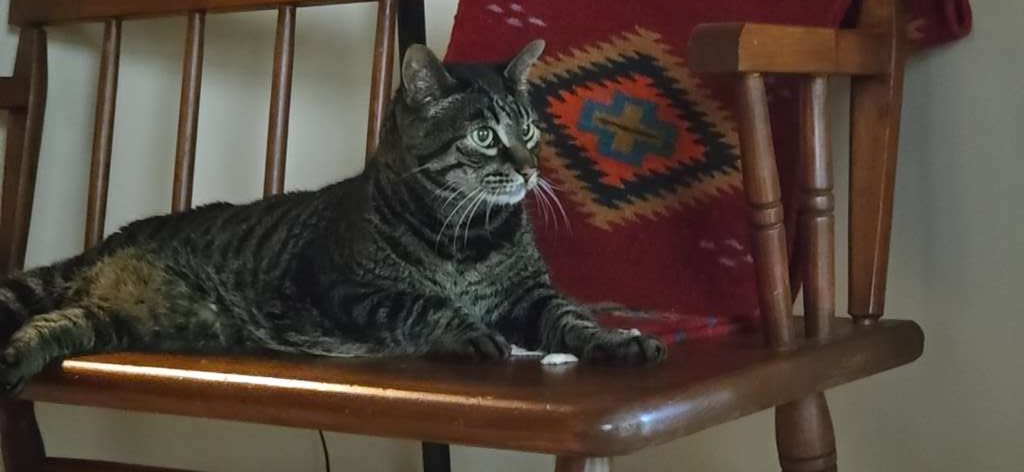
Managing Pet Anxiety: Tips for Vacation Feeding

From the Pet Sitter’s Notebook: When Pets Stop Eating While Their Family Is Away

One of the biggest worries many families have before a trip is not just whether their pets will be cared for, but whether they will be stressed.

Will they eat?
Will they be anxious?
Will they settle into the routine without their people home?

These are very normal concerns.

When you hire a professional pet sitter, part of what you are really hiring is preparation. Our goal is not only to care for your pets while you are away, but to help you feel less worried knowing there is a plan if something does not go quite as expected. One of the most common stress responses we see in pets is a decreased appetite.

Stress Can Change Eating Habits Quickly

Some pets continue their normal routine without missing a beat. Others become too distracted, anxious, or unsettled to eat normally once their family leaves. That does not automatically mean something is seriously wrong, but it is something a professional sitter pays close attention to.

If a pet stops eating, we begin thinking through possibilities:

  • Is this stress-related
  • Is the feeding schedule different than usual
  • Is there something medical starting
  • Has the environment changed enough that the pet feels uneasy

Sometimes simple adjustments help.

That may include offering approved alternate foods (with your approval of course), warming wet food to make it smell more enticing, hand-feeding to build comfort and trust, or adjusting how and where meals are offered. If concerns continue, we may recommend a vet visit to rule out something more serious or discuss whether an appetite stimulant is appropriate. A professional sitter should work in partnership with the family, sharing observations, asking questions, and helping solve problems and concerns together.

Routine Matters More Than Many People Realize

One thing families do not always think about is how much meal timing can affect appetite.

For example, a pet who normally eats several smaller meals throughout the day may struggle if vacation care suddenly changes to breakfast and dinner only. Even if the total amount of food stays the same, the routine feels very different to the pet.

In some cases, it helps to gradually transition to the vacation feeding schedule before leaving. In others, families may choose additional visits to better match their pet’s normal routine.

These are details worth discussing before the trip rather than after concerns begin.

Appetite Changes Can Sometimes Reveal Larger Issues

Occasionally, a pet who struggles to eat while their family is away is actually showing signs of an underlying medical issue that had not fully surfaced yet.

Pets are often very good at hiding discomfort from the people they love most. Sometimes the stress of a routine change is simply the final piece that makes the issue more noticeable. A pet struggling with dry food, chewing slowly, or walking away from meals may be dealing with dental discomfort. A pet who suddenly refuses food entirely may have nausea, illness, stress, or something else that needs attention.

This is why communication between the family and sitter matters so much.

Let your sitter know:

  • If your pet’s eating habits tend to change when you travel
  • What has helped in the past
  • Any food allergies or sensitivities
  • Approved treats or alternate foods
  • Any recent health changes or vet visits

The more information we have, the better we can care for your pets.

Planning Ahead Helps Everyone

Before traveling, it is also a good idea to let your veterinarian know you will be away. If possible, discuss:

  • What care you authorize if your pet needs to be seen
  • Emergency contact information
  • Whether a card can be kept on file
  • Any allergies to medications or foods

Let the veterinary office know who your pet sitter is as well, so they are prepared if communication or a visit becomes necessary while you are unreachable. These small preparations make stressful situations much easier to navigate if they arise.

We Worry About Them Too

One thing many families do not realize is that when pets are struggling, their sitters feel it too. We care deeply about the animals we look after. When a pet is not eating, not acting like themselves, or seems stressed, we are not simply checking a box and moving on. We are observing, adjusting, communicating, and doing our best to help them feel safe and comfortable until their family returns home.

This partnership between pet parents and professional sitters is what helps pets navigate change with as little stress as possible. Having consistency with your pet sitting team will also help catch when things seem different from the last time you took a trip.

Your pets are family. Choosing the right sitter matters.
This is the kind of care we offer Kansas City families at Loving Arms Pet Services—professional, thoughtful pet sitting and positive-reinforcement training you can trust.

What Kansas City Pet Owners Need to Know About Pet Sitting

Not All Pet Sitting Is the Same — Peace of Mind Starts With the Right Pet Sitter

When you’re looking for someone to care for your pets, it can feel like there are a lot of options. At a glance, many of them can look similar—someone comes by, feeds your pet, lets them out, and hopefully sends updates and photos. But in practice, the level of care, consistency, and responsibility behind those visits can be very different. And when it comes to your pets and your home, those differences matter.

Consistency vs. Availability

One of the biggest differences comes down to how care is scheduled and delivered. With many app-based or gig-style services, sitters set their own availability day by day. That can mean last-minute changes, gaps in coverage, or different people each time you need help. With a professional pet sitting service like LAPS, visits are scheduled within structured time windows and handled by a trained team that follows consistent standards. Your care isn’t dependent on who happens to be available that day—it’s planned, reliable, and managed. A professional will have notes for the pets and home to make sure both are taken care of the same way every time. You don’t have to go over it with someone every time you need a pet sitter.

Experience Isn’t Always Equal

Not everyone providing pet care has the same level of experience. At LAPS, care is backed by over 25 years of hands-on experience working with dogs and cats of all temperaments, including shy, anxious, and medical-needs pets. Using Fear Free certification and training as well as being trained in pet CPR and First Aid it’s important to prevent stress and be able to handle emergencies that may arise. That means we’re not just showing up—we’re actively observing behavior, recognizing when something is off, and adjusting our approach based on what your pet needs in that moment.

Care Goes Beyond the Basics

A visit isn’t just about completing a checklist. It’s about noticing that your dog is moving a little slower than usual. That your cat didn’t come out right away like they normally do. That something in the home feels slightly off. These small details are often where the most important care happens. There should be focus on those details—because they’re what keep pets safe, comfortable, and truly cared for while you’re away.

Communication You Can Actually Trust

Updates should do more than confirm a visit was completed. You deserve to know how your pet is doing. That’s why our visit updates include meaningful details about behavior, appetite, mood, and anything out of the ordinary—along with photos that reflect your pet’s comfort and routine. Our goal is simple: you shouldn’t have to wonder how things are going.

Accountability Matters

When you invite someone into your home, trust matters. Professional pet sitting services operate with clear expectations, training, and accountability. Visits are tracked, instructions are followed carefully, and there is a system in place to ensure consistency and reliability. That level of structure is what allows you to leave home without second-guessing whether everything is being handled the way it should be.

Choosing the Right Fit for Your Pet

Every pet and every household is different. For some, a flexible, app-based option may feel like the right fit. For many pet owners—especially those with shy pets, medical needs, or simply a desire for consistent, professional care—a structured, experienced service offers a level of confidence that’s hard to match.

Final Thoughts

At the end of the day, pet sitting isn’t just about stopping by. It’s about showing up with awareness, experience, and responsibility—every single time. Your pets are family. Choosing the right sitter matters. This is the kind of care we offer Kansas City families at Loving Arms Pet Services—professional, thoughtful pet sitting and positive-reinforcement training you can trust.