When you need someone to care for your pets, it can feel like there are endless options. A quick search brings up apps, neighborhood recommendations, and individuals offering to help. On the surface, many of these options can look similar. Everyone loves animals. Everyone says they are reliable. Everyone has good intentions. But when you take a step back, there is a meaningful difference between someone who enjoys pets and someone who is professionally responsible for their care. And that difference tends to matter most when something does not go as expected.
It Is Not Just About the Easy Days
Most pet care visits are uneventful. Meals are eaten, litter boxes are clean, dogs go outside, and everything goes as planned. The value of a professional often shows up in the moments that are less predictable.
The heating or air conditioning doesn’t seem to be working
A pet is behaving just slightly differently than usual.
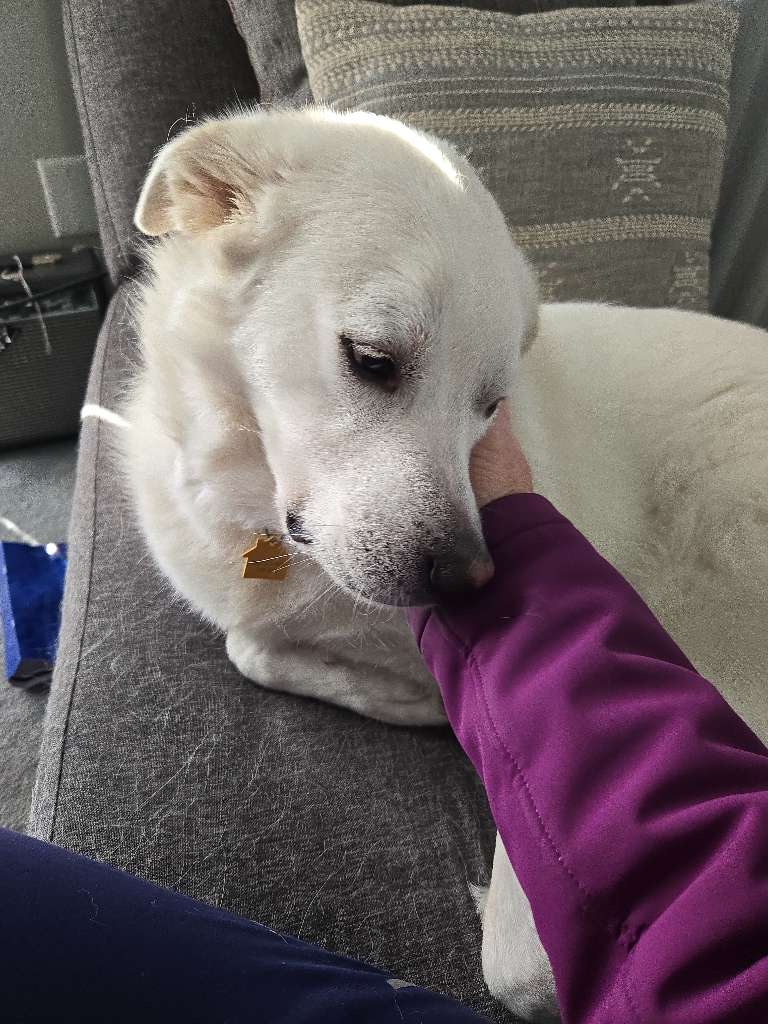
A dog refuses to eat.
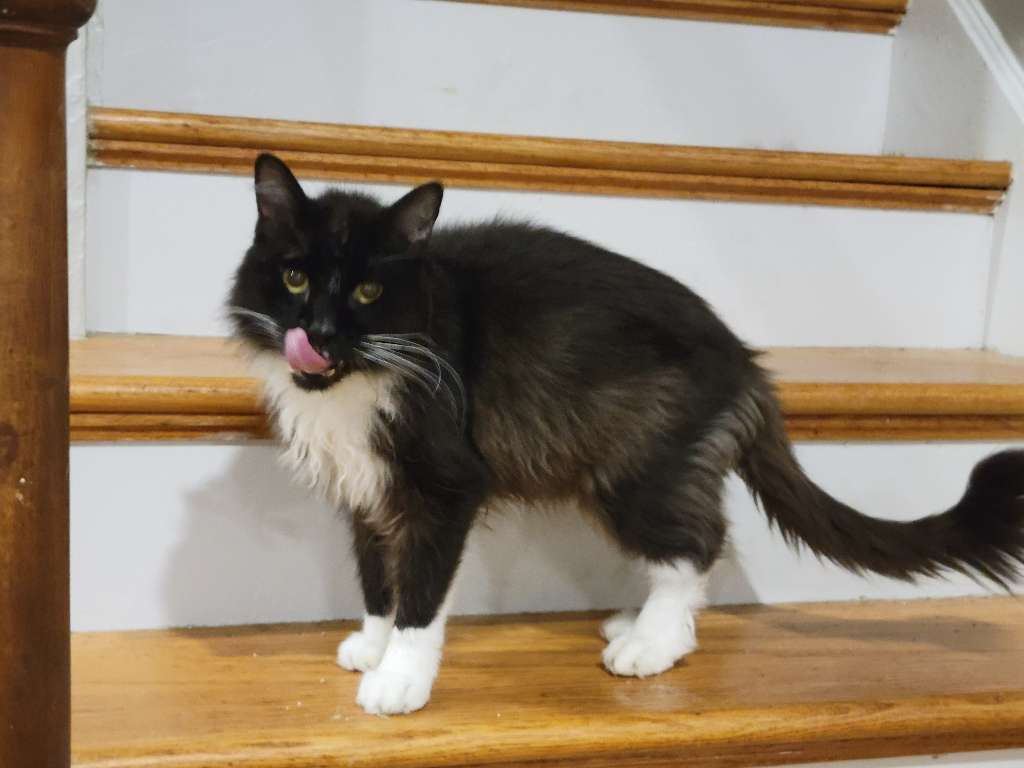
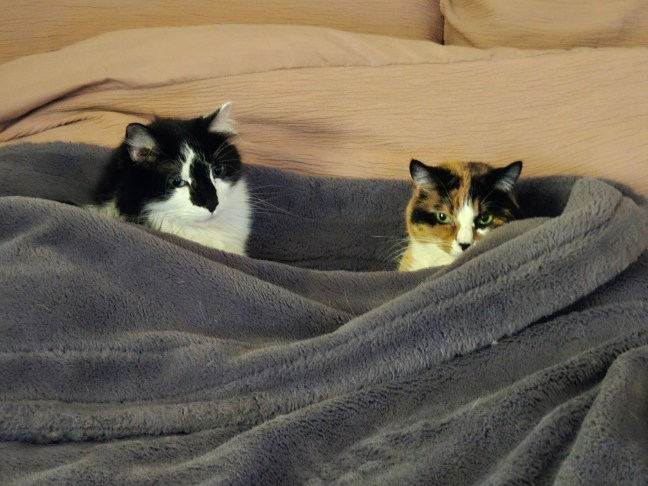
A cat is hiding and does not come out.
A medication needs to be given and the pet resists.
A door does not latch the way it normally does.
These are the moments where experience matters. A professional pet sitter is not just completing a checklist. They are observing patterns, noticing small changes, and making decisions in real time and keeping you updated.
Experience Brings Pattern Recognition
When you have cared for hundreds over thousands of visits, you recognize what is normal and what is not. A full food bowl might not mean a cat skipped one meal. It might mean they have not eaten in longer than that.
A dog that seems “a little off” might be showing the early signs of stress or illness. A change in litter box output might be the first indication of a larger issue. These details are easy to miss if you are not used to looking for them.
Professional sitters are trained to notice these patterns and to act on them early, when it matters most.
Safety Is Part of the Job
Pet sitting is not just about care. It is also about safety. Preventing escapes by managing doors and gates. Handling dogs on leash in unpredictable environments. Moving thoughtfully through a home are all part of the responsibility. In multi-pet households, it also includes managing interactions between pets and recognizing when separation might be needed. These are skills that come from training and experience, not just good intentions.
About Apps and Marketplaces
Platforms that connect pet owners with sitters can be helpful tools. They make it easy to find someone quickly and to read reviews. At the same time, it is important for families to understand that many of these platforms do limited screening. The responsibility often falls on the pet owner to evaluate the person they are inviting into their home. That does not mean there are not good sitters on those platforms. There absolutely are. It does mean that it is worth taking the time to ask thoughtful questions, verify experience, and understand exactly who will be caring for your pets, home and everything in it.
What to Look For
When choosing a pet sitter, consider asking:
- Do they have professional training and continuing education
- Are they pet CPR and First Aid certified
- Do they carry insurance, including care, custody, and control coverage outside of the app you found them on
- What is their plan if they are sick or unable to make a visit
- How do they handle emergencies
- How do they approach fearful or stressed pets
- Do they do this full time or occasionally
- How often will they update you and will they send you pictures of your pets?
A professional should be able to answer these questions clearly and comfortably.
Reliability and Accountability
When pet care is someone’s profession, there is a higher level of accountability. There are systems in place. There are backups. There is communication that is structured and consistent. There is a commitment to showing up, even on holidays or in difficult conditions. For many professionals, this is not a side job. It is their work, and they understand the level of trust that comes with it.
Peace of Mind Matters
Inviting someone into your home and trusting them with your pets is not a small decision. Knowing that the person caring for your pets is trained, experienced, insured, and prepared allows you to relax while you are away. It means that if something unexpected happens, there is already a plan. And often, that peace of mind is the most valuable part of all.
Your pets are family. Choosing the right sitter matters.
This is the kind of care we offer Kansas City families at Loving Arms Pet Services—professional, thoughtful pet sitting and positive-reinforcement training you can trust.


 Loving Arms Pet Services (LAPS)